
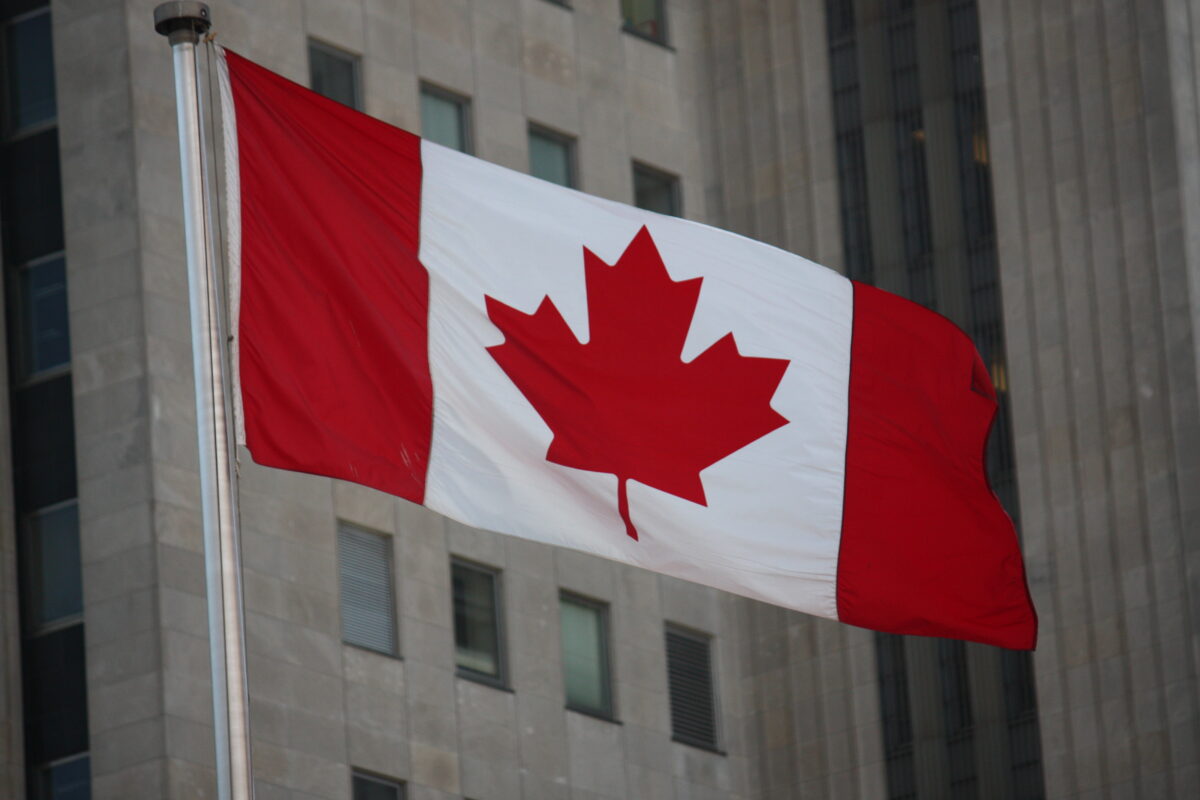
“The Trump Administration has delayed the implementation of these tariffs until August 22nd, in light of ongoing trade talks with Canada.” Temporary Suspension of Additional Duties to Offset Canadian Discrimination Against the Commerce of the United States with Respect to Alcoholic Beverages, Dairy, and Motor Vehicles – The White House
Importers of Canadian goods should be preparing now for a significant change in tariff treatment. On July 20, 2026, the White House issued three proclamations imposing additional 50% ad valorem tariff on certain products of Canada, effective 12:01 a.m. Eastern Time on August 19, 2026. The actions address what the administration characterizes as discriminatory Canadian trade practices involving motor vehicles, alcoholic beverages, and dairy products.
All three proclamations rely on Section 338 of the Tariff Act of 1930 and modify the Harmonized Tariff Schedule of the United States (HTSUS). The additional 50% duty applies to the Canadian products specifically identified in Annex II of each proclamation. The new duty is generally in addition to other applicable duties, taxes, fees, and charges, subject to the exclusions and exceptions set out in the proclamations. It also applies to goods that normally qualify under the USMCA.
The three actions address:
- Motor vehicles: The proclamation cites Canada’s 25% tariff regime and tariff-rate quotas affecting U.S. motor vehicles as discriminatory.
- Alcoholic beverages: The proclamation points to Canadian provincial and territorial restrictions on U.S. alcoholic beverages, noting that U.S. exports to Canada declined approximately 81% during the cited comparison period.
- Dairy: The proclamation focuses particularly on Canada’s different eligibility rules for U.S. and EU cheese under Canadian tariff-rate quotas.
The additional duty applies according to the HTSUS provisions listed in the applicable Annex II, not simply because an item is generally associated with automobiles, alcohol, or dairy.
Importers of Canadian merchandise should therefore review their HTS classifications and country-of-origin determinations now, particularly for products that could fall within the Annex II provisions. Classification details, entered value, and the date and type of entry will become especially important when determining the correct duty calculation.
The effective date is also important: the additional tariff applies to goods entered for consumption, or withdrawn from warehouse for consumption, on or after August 19, 2026.
Importers using Foreign-Trade Zones should pay particular attention. Merchandise subject to these additional duties and admitted into an FTZ on or after the effective date generally must be admitted in privileged foreign status, unless eligible for domestic status under the applicable regulations. The additional duty would then be applicable when the merchandise enters U.S. commerce.
The administration’s actions represent another important development in the rapidly changing tariff environment. For importers, the practical takeaway is simple: do not assume that Canadian goods will continue to receive the same tariff treatment after August 19.
For reference, the three official proclamations are available from the White House – Motor Vehicles proclamation, White House – Alcoholic Beverages proclamation, and White House – Dairy proclamation.
Applicable annexes links below:
Motor Vehicles: ANNEX-I-3.pdf Annex-II-2.pdf
Alcoholic Beverages: ANNEX-I-2.pdf ANNEX-I-2.pdf
Dairy: ANNEX-I-1.pdf Annex-II.pdf
This article is intended as a general customs-trade update and is not legal advice.
*Disclaimer: The articles provided reflect our perspective and are created by our employees. They do not constitute legal documents or comprehensive information. For further inquiries, please contact our staff for additional details.